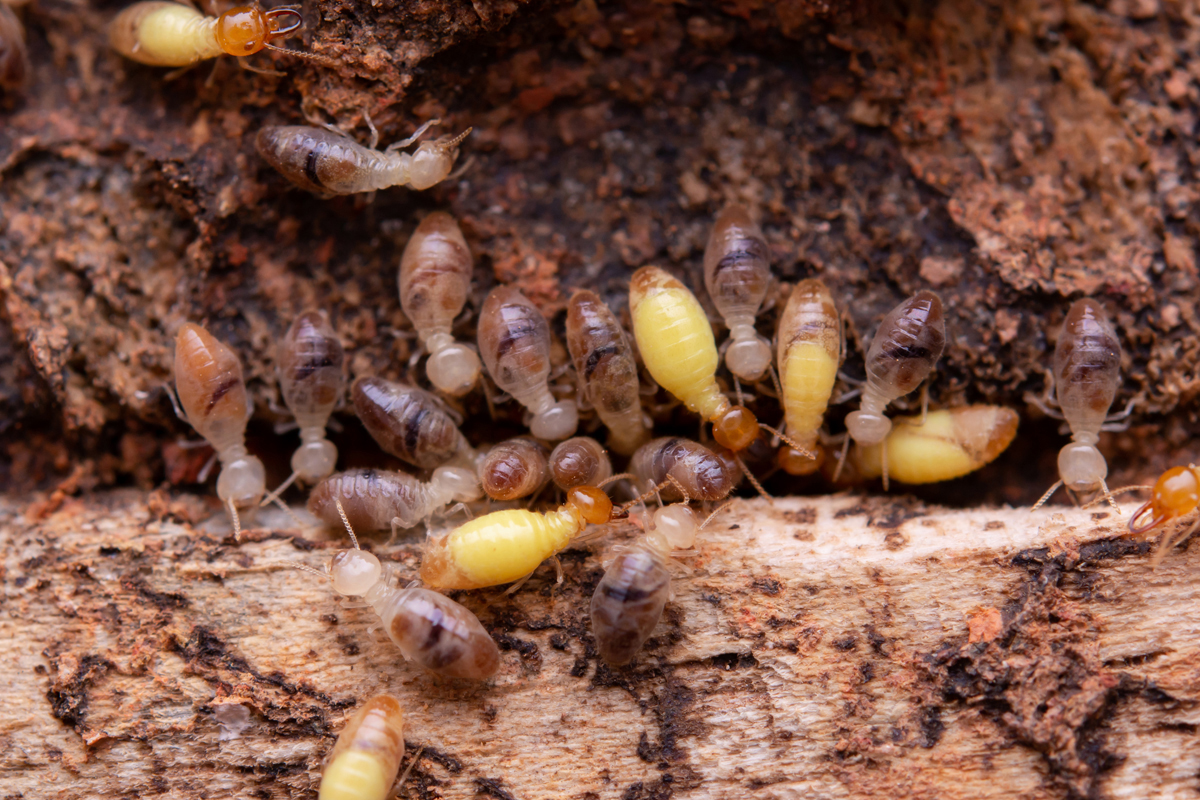
When checking your home for any issues, it can be quite easy to confuse termite damage and wood rot. The first step in preventing further problems is understanding exactly what is causing the specific issue. Let’s take a look at how you can diagnose wood rot and termite damage below.
Types Of Termite Damage
Termites can cause severe damage to homes and commercial properties, resulting in large repair costs that are not typically covered by standard insurance policies. Let’s look at types of termite damage and how the professionals can repair these issues.
Here are a few common indications of termite activity/damage:
- Sudden appearance of water damage.
- Buckling walls or ceilings.
- Mud tunnels in the home’s foundation.
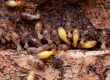
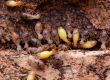
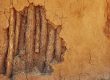
- Maze-like designs located in wooden structures.
- Visible termite swarming.
Typically, all of these signs mean there is some termite activity going on in your home or commercial property. Advanced termite damage can greatly impact your home’s structural integrity. This includes severe cases of ceilings or floors collapsing.
However, if the damage does not affect the structure of the home, you could still be impacted by damaged walls, flooring, furniture, or carpeting. Immediate action should be taken whenever termite damage is noticed, regardless of how small the problem may appear.
What Is Wood Rot?
Wood rot can progress the same way inside a home as it does in nature. The only problem here is the decomposition in nature does not impact a home. Wood rot can ultimately result in serious damage to personal property.
Typically, lumber used for home-building projects will be treated with chemicals to prevent this natural process. However, this treatment is not permanent. excessive exposure to sunlight and moisture combined with fluctuations in temperature can lead to wood rot as time goes on.
While decomposition is inevitable with any natural material, there are a few certain things homeowners can do to prevent this progression, keeping the home structurally sound.
What Causes Wood Rot?
Mold is responsible for the resulting wood rot. These fungi break down logs and other plants out in nature and can unfortunately do the same to your home’s foundation.
It’s no secret mold thrives in damp environments, which means homes without waterproofed siding or roofs are in danger. Mold grows especially well in poorly ventilated crawl spaces and basements.
Mold colonizes the wood within the home, breaking it down for nutrients. This weakens the wood until it eventually becomes loose and more absorbent. Water that’s absorbed into the loosen wood will expand and contract in accordance to temperature changes.
Can Termite Damage Be Repaired?
It is rare but possible for select termite species to damage a home beyond repair. This can happen in the event an infestation is left untreated for several years. The Formosan termite is known as the most destructive termite in the U.S. today. A large Formosan colony can cause some significant damage if left untreated for approximately two years.
It can take other termite species several more years to cause the same level of damage as Formosan termites. In fact, some drywood termite colonies may take up to 20 years to cause severe damage to a home.
It is not common for termites to destroy a house before their activity is ever discovered. As a colony grows to maturity, signs of activity can become quite obvious. There are two common methods used to fix termite damage to wood, including:
- Completely replace the damaged wood sections.
- Add support adjacent to the damaged wood.
In the majority of cases, adding a wood support to the wall will be easier and less expensive, overall. This repair type works for numerous structural and non-structural damages.
Repairs involving replacing structural supports are typically the most complicated type. It is crucial for adequate support to be provided during these repairs.
Termite Damage Vs Wood Rot Differences
One of the biggest differences between the two sources of damage is where the evidence is located. You will usually find wood rot where the wood may have been exposed to water. This typically includes near seams, door frames, and wood frames.
If you notice water stains around the rotten wood, it’s most likely wood rot. Wood rot almost always appears dehydrated. Wood rot tends to dry out and split into small, cube-like chunks.
Termite damage, meanwhile, produces damage to the wood in its tunnels and shelves. Termite holes and tunnels may be seen when looking closely. Termite damage is also slightly less crumbly than progressive wood rot. Damage, of course, isn’t the only sign of termite activity but it is a good place to begin if you suspect an infestation.
Termite Control Phoenix Metro Area
Poor Boy Termite Control can solve all of you termite issues. We only deal with termites as the name implies. We use thermal imaging, with no drilling or guessing. At Poor Boy Termite Control we detect termites and treat them. If you have a termite infestation, Call Poor Boy Termite Control at (480) 994-4240 and schedule an appointment before the problem gets worse!