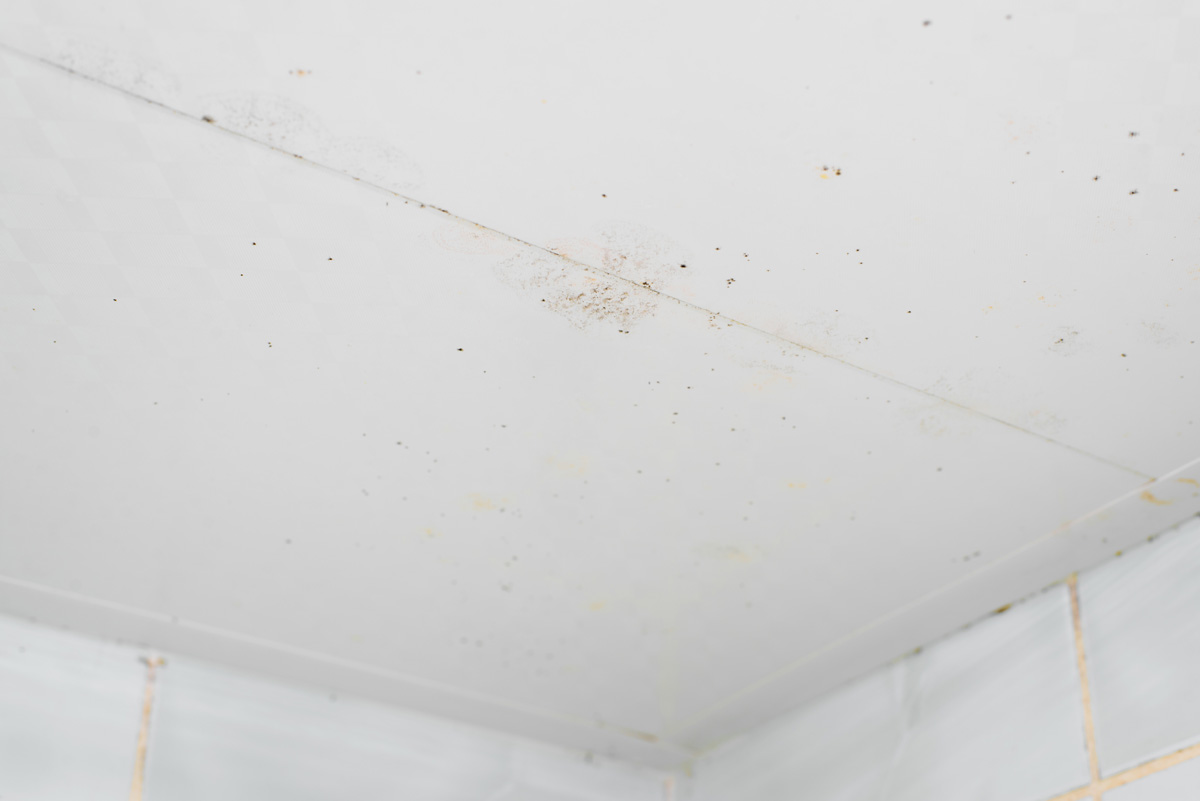
Termites can be discovered in various locations within homes. Termite activity in the ceiling is unfortunately common and can be devastating if not addressed immediately. Identifying any termite activity in the early stages of an infestation can save homeowners both stress and money. Check for mud tubes that extend to the ceiling area, sagging or drooping in the ceiling, or small holes. Any of these can indicate that there is termite activity present.
What Are The Early Signs Of Termites In The Ceiling?
Termites are not regarded as silent destroyers, so listen for any soft clicking sounds that may be coming from the walls or windows. These are sounds that are produced by termites as they chew through wood or when the soldier termites tap their heads against wood to warn the colony of danger.
Termite droppings are a clear indication of activity in the home. Droppings will look like small, wood-colored pellets, typically discovered near infested areas. If any parts of the ceiling feel weak, it’s possible that termites have compromised the wood.
What Do Termites In The Ceiling Look Like?
Termites can be mistakenly associated only with wood structures that touch the ground. However, some species crave wood that is higher up. These pests are known as drywood termites, which can infest and thrive in ceilings, even without any direct contact with soil.
Drywood termites need very little moisture, which allows them to colonize in secluded areas of the home. Understanding what these termites look like and their behavioral patterns is important. They are smaller than most other termites, with a clear preference for dry wood.
They will create colonies within the wood that they eat, leaving visible signs of their presence. Recognizing these pests will involve looking for some subtle indicators rather than seeing the insects themselves. They spend most of their time hidden within the wood.
What Is The Impact Of A Termite Infestation?
The consequences of a termite infestation can be quite severe, particularly when it occurs in the ceiling. Termites have the ability to silently compromise the structural integrity of your residence. An infestation may result in expensive repairs and potential hazards if the ceiling or beams become weakened.
The financial implications can also be considerable. Homeowners may find themselves spending thousands of dollars on extermination and repairs. For instance, drywood termites can inflict significant damage as they often remain undetected for extended periods.
These termites can:
- Weaken support structures.
- Hollow out beams.
- Lead to ceiling collapses and overall compromise the safety of the home.
How To Recognize A Termite Infestation
Early Performing regular DIY inspections throughout your home and ceiling can prove beneficial. Utilize a bright light to examine your home for any alterations or irregularities in wooden structures. Any signs of discoloration or a powdery substance may suggest the presence of termites. Moreover, drywood termites thrive in moist conditions.
It is essential to ensure that your attic and ceiling areas are adequately ventilated to minimize moisture and deter termites. Additionally, periodically inspect the exterior of your home for any cracks or crevices. Sealing these openings can help prevent access points for termites.
Termite Control Phoenix Metro Area
Poor Boy Termite Control can solve all of you termite issues. We only deal with termites as the name implies. We use thermal imaging, with no drilling or guessing. At Poor Boy Termite Control we detect termites and treat them. If you have a termite infestation, Call Poor Boy Termite Control at (480) 994-4240 and schedule an appointment before the problem gets worse!