Termites are attracted to light, but solely winged termites. Other termite types prefer to stay in darker areas.
Does Light Attract Termites?
Only winged termites are actually attracted to light. These termites can also be referred to as alates, and they are attracted to light sources in an effort to start new colonies.
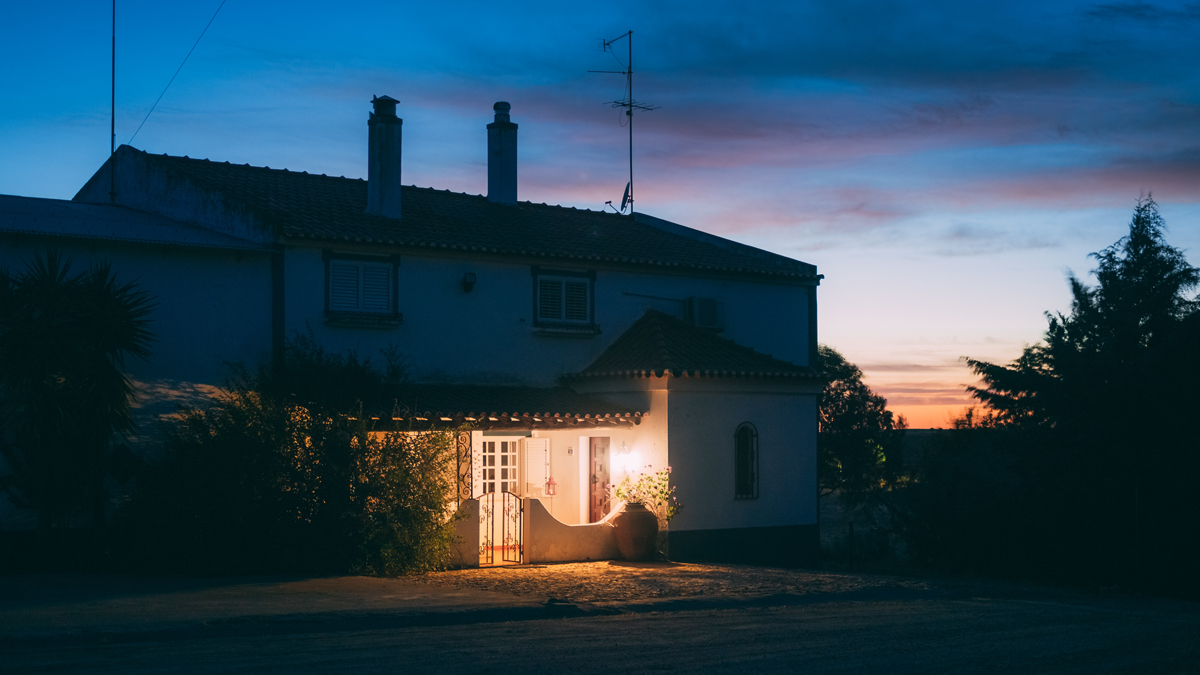
Light sources, including motion lights, utility lights, and porch lamps, give off heat. This typically attracts swarms of termites in the afternoon or early evening. The spring season is the most common time for this activity.
What Does Light Do To Termites?
Termites will build a network of tunnels in the soil leading right to the walls of your home. If the tunnels feature any light exposed areas, they would choose to dig in a darker direction.
Termites are deterred by the strong sunlight often featured during the daytime. It is only in the dark where light sources provide the heat that ultimately attracts winged termites.
Essentially, solely winged termites are attracted to light while the rest of the working colony wishes to stay away from light sources, altogether.
Do Termites Come Out During The Day Or Night?
While termites do come out at night, this behavioral pattern is not universal for all termite species. Most species are predominantly nocturnal, but others like drywood termites, are active during both the day and night. This is due to the fact that drywood termites live within wood, so they are less exposed to the outdoor environment.
Swarming Formosan termites are typically active during the spring and summer months, especially at night. The most common species is the Subterranean termite. They are active at night and during the early morning hours. They have a sensitivity to light, meaning the night is best for them to forage for food.
When Are Termites The Most Active?
Termite activity will vary based on times of the day and weather conditions. Here are a few factors below that will influence their activity throughout the day.
Humidity
Since they are highly susceptible to desiccation (drying out), termites need a moist environment to survive and thrive. Termites are most active in warm and humid environments, which is ideal for them to maintain their necessary moisture levels.
Even slight changes to the humidity levels will impact their activity and behavior. When humidity levels in both the air and soil drop, they will become much less active. Spring to fall is the most active period for the majority of these pests.
Temperature
The body temperature of a termite will depend on the temperature of the surrounding environment. During the warmer months, termites will be most active during the cooler times of the day in the morning and evening.
Termites are most active between the temperatures of 70°F and 90°F. Termites tend to reduce their activity levels when it is either cold or hot. They are usually inactive at night when the outdoor temperature falls below 60°F.
Lighting
Typically, termites prefer darkness. They tend to avoid sunlight because too much exposure can ultimately dry their bodies out, making them vulnerable to predators.
This is why termites like to hide within structures of a home. They use wood as a protective boundary from both predators and the elements.
Species Variations
Different species will have different patterns of activity, so expect some variance when it comes to behavior.
What Colors Attract Termites?
Termites are attracted to a wide variety of colors. However, it is the heat specifically that attracts termites to light.
Termites are attracted to the following colors:
- Blue white.
- Blue lights.
- White incandescent.
- White florescent.
- Mercury vapor.
Termite Control Phoenix Metro Area
Poor Boy Termite Control can solve all of you termite issues. We only deal with termites as the name implies. We use thermal imaging, with no drilling or guessing. At Poor Boy Termite Control we detect termites and treat them.
If you have a termite infestation, Call Poor Boy Termite Control at (480) 994-4240 and schedule an appointment before the problem gets worse!